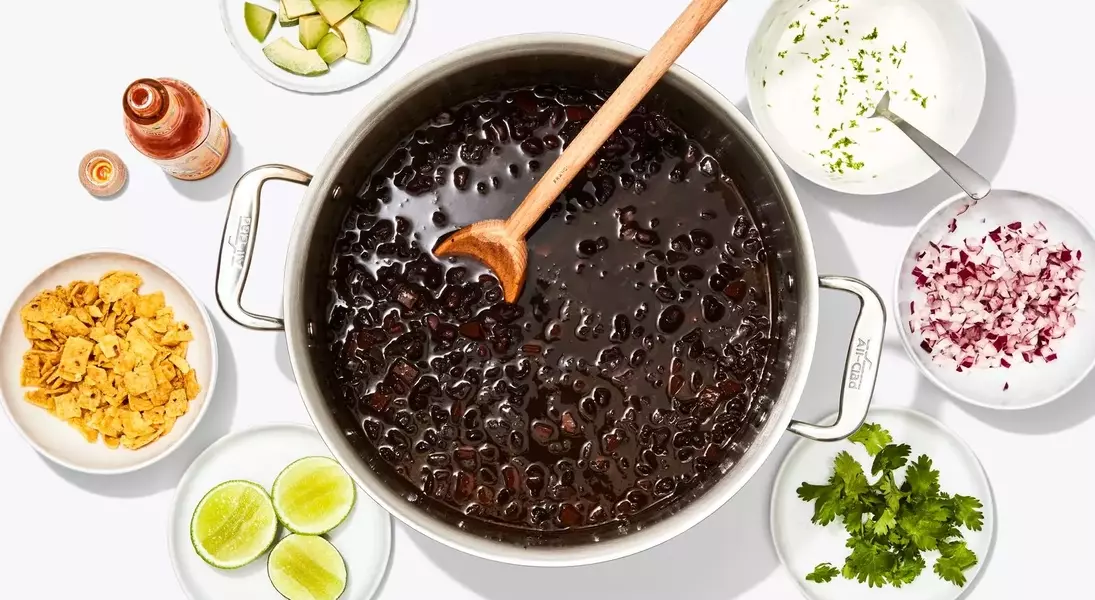
For many culinary enthusiasts, the question of whether to pre-soak dried beans has long been a point of contention. This comprehensive guide, drawing on expert opinions and scientific insights, aims to clarify the best practices for preparing these versatile legumes. While soaking can undeniably enhance the texture and expedite the cooking process for certain varieties, it is not always a mandatory step for achieving a flavorful outcome. Understanding the nuances of bean type, age, and desired culinary results is key to making an informed decision about soaking.
The practice of soaking dried beans primarily serves to rehydrate them, initiating the absorption of water into the bean's core. This pre-hydration is particularly beneficial for larger, older beans, or those that have been stored for extended periods, as it helps to soften their tough outer layers. According to Rebecca Firkser, an editor at Bon Appetit's test kitchen, freshly harvested, smaller beans, especially from artisanal producers, may cook quickly enough without prior soaking. However, for more common varieties or larger beans like gigantes, pre-soaking remains a recommended approach. Steve Sando, founder of Rancho Gordo, a company specializing in heirloom beans, emphasizes that soaking gives the rehydration process a significant head start, leading to a more consistent and creamy texture in the final dish.
The science behind soaking, as detailed by Harold McGee in 'On Food and Cooking,' reveals that cooking un-soaked beans prolongs the process because water struggles to penetrate to the center. This can result in the outer parts of the bean becoming overcooked before the inside is tender. Soaking effectively reduces this disparity, ensuring even cooking. Furthermore, the discussion extends to the digestive implications of soaking. While some believe soaking eases digestion, experts like McGee suggest that prolonged cooking or a brief boil followed by discarding the soaking liquid can help remove oligosaccharides, a type of carbohydrate linked to flatulence. However, this method also means a loss of some nutrients, posing a trade-off for home cooks.
When it comes to cooking methods, there are several viable options depending on your schedule and the type of beans. The traditional overnight soak, typically 6-8 hours, is widely recommended. However, extended soaking, especially for fresh beans, can be counterproductive, potentially causing them to sprout or become overly soft. For those short on time, skipping the soak and cooking directly is possible, though it generally requires a longer cooking duration. A quick-boil method, followed by simmering, is an alternative for no-soak scenarios. Pressure cookers also offer a faster cooking time but might yield a less concentrated broth, a factor that can be remedied by simmering uncovered after pressure cooking to reduce the liquid.
The cooking time for beans varies significantly based on factors such as bean size, age, and altitude. Soaking can reduce cooking time by as much as 25% or more. For instance, smaller beans like chickpeas may see a reduction of 30-40 minutes, while larger varieties could cook in half the time. It is crucial to monitor beans during cooking, ensuring they remain covered with water and stirring periodically to prevent sticking. Tasting multiple beans is recommended to confirm tenderness, as not all beans cook at the same rate. Seasoning also plays a vital role in enhancing flavor; adding fats like olive oil, along with aromatics such as herbs, onions, or dried chilies, early in the cooking process allows flavors to meld beautifully. The timing of salt addition is a matter of debate among chefs, with some preferring to add it as the beans begin to soften, while others incorporate it from the start. Acidic ingredients, such as tomatoes or vinegar, should typically be added towards the end of cooking, as they can lengthen the cooking time.
Cooked beans are highly versatile and can be prepared in batches for use throughout the week. Stored in an airtight container with their broth or water, they remain fresh in the refrigerator for up to five days. For longer storage, cooked beans can be frozen for up to three months, making them a convenient meal prep option. Whether using them in salads, soups, or other dishes, simply defrost and reheat as needed. While canned beans offer convenience, home-cooked dried beans consistently deliver superior flavor and texture. The process, though requiring some planning, is straightforward and rewarding, emphasizing that there are multiple pathways to achieving a perfectly cooked pot of beans.
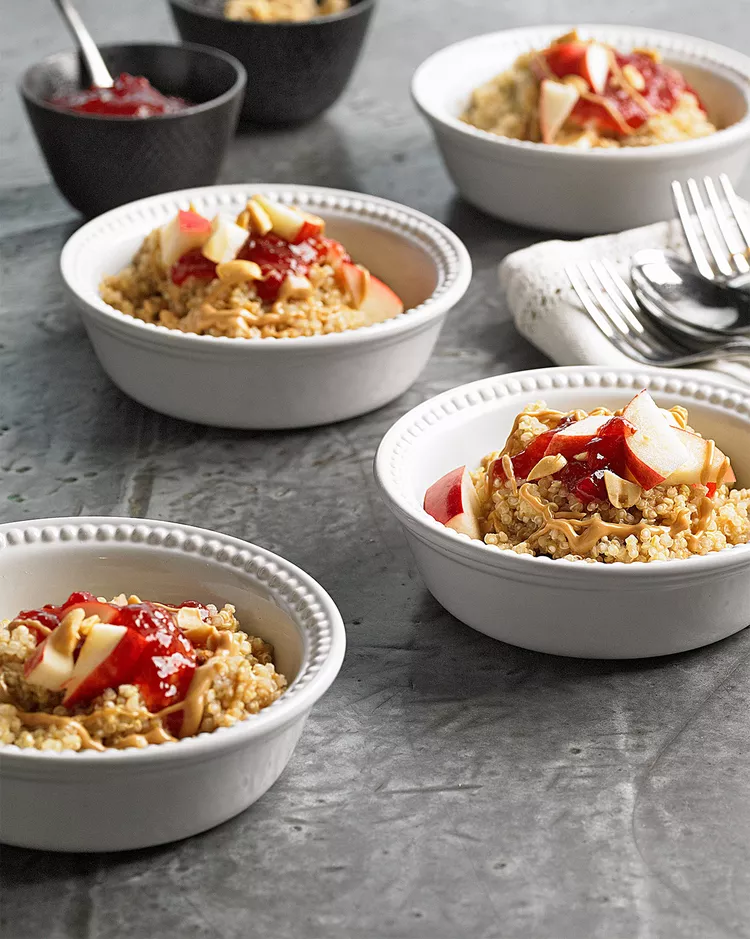
7 Healthy Oatmeal Recipes to Start Your Day with Whole Grains
Our healthy oatmeal recipes—as well as other grains such as farro—are the best way to start your day. Learn how to make delicious bowls in no time.
Deep-Dish Pastry Shell
A springform pan is the secret to this seriously deep crust. Stuff it with your favorite fruit filling.
Homemade Breakfast Sausage Recipe
There's nothing better than homemade breakfast sausage sizzling on the skillet.
Pressure Cooker Scrambled Breakfast Hash
Get all your favorite breakfast ingredients in this pressure cooker recipe. The saute function on the cooker gets the bacon going, then everything else gets added and pressure cooked for a speedy breakfast hash.
Chocolate-Banana Donuts
Banana bread and a classic fried donut recipe joined forces in these scrumptious homemade donuts. After the Chocolate-Banana Donuts are cooled, dunk in rich chocolate glaze.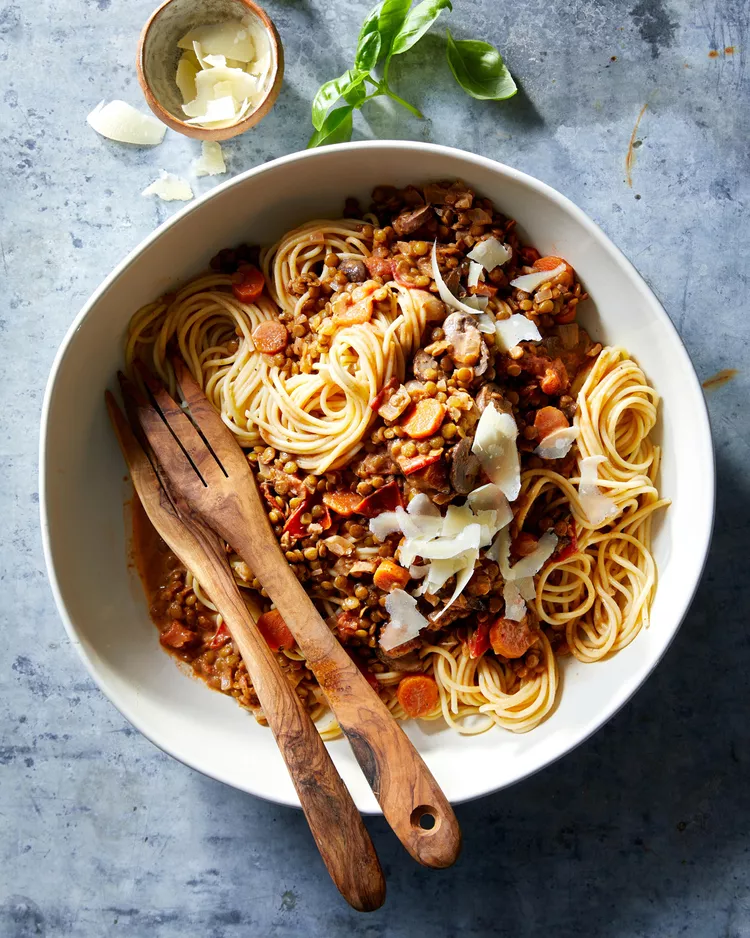
12 Healthy Make-Ahead Meals for Busy Weeknights
Don't settle for take-out. Serve your family a nutritious and easy-prep meal with these healthy make-ahead meals.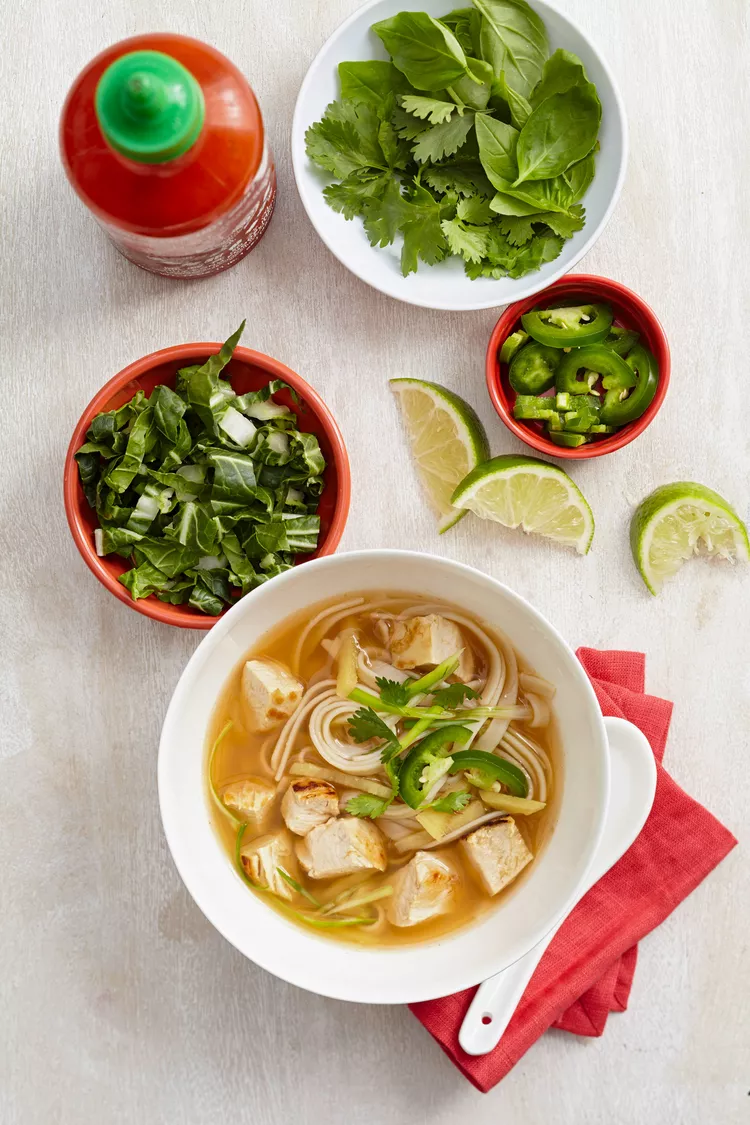
Fast Pho
A spice- and herb-infused broth makes this speedy shrimp pho recipe taste like it simmered all day.
Trisha Yearwood's Vegetable Pies
"The great thing about this dish is you can vary the ingredients based on what like or what you have in your garden or refrigerator," Trisha says. For side-size servings, cut the pies into twelfths.
Understanding the Nuances of Carbonated Beverages: Sparkling Water, Seltzer, Club Soda, and Tonic
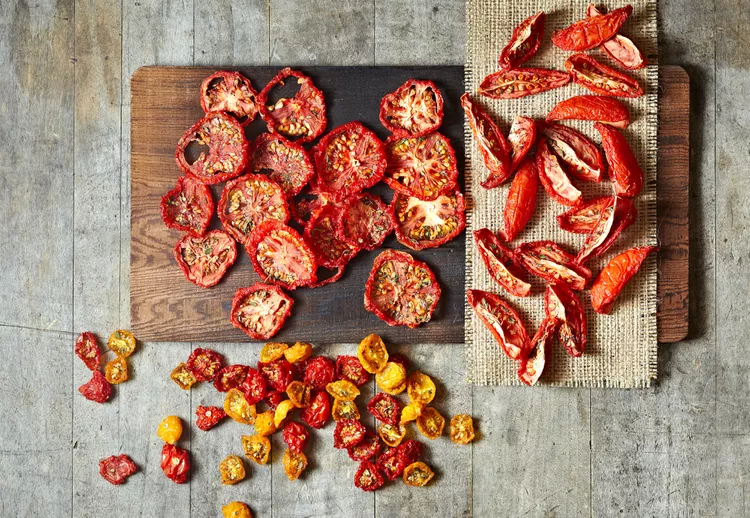
How to Make Oven-Dried Tomatoes (Including a Bonus Dehydrator Method!)
Here's how to dry tomatoes in the oven or dehydrator, including our Test Kitchen's secret for storing the dried tomatoes for up to 9 months.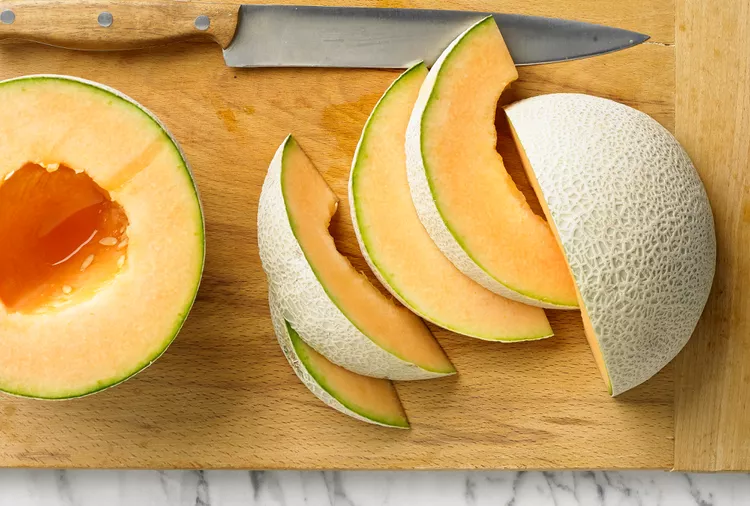
How to Cut a Cantaloupe: A Step-by-Step Guide with Photos
Here's how to cut cantaloupe into cubes or wedges. You'll need a large cutting board and a chef's knife.
How to Eat Kumquats (Including the Sweetest Part of the Fruit)
Learn how to eat kumquats for a very refreshing fruit snack. Wondering what are kumquats, exactly? They’re a type of citrus fruit that work well in fruit salads, drink recipes, fruit preserves, cakes, pies, and more. We’ll talk you through how to eat kumquats, when to wash them, and what parts of the fruit you can eat.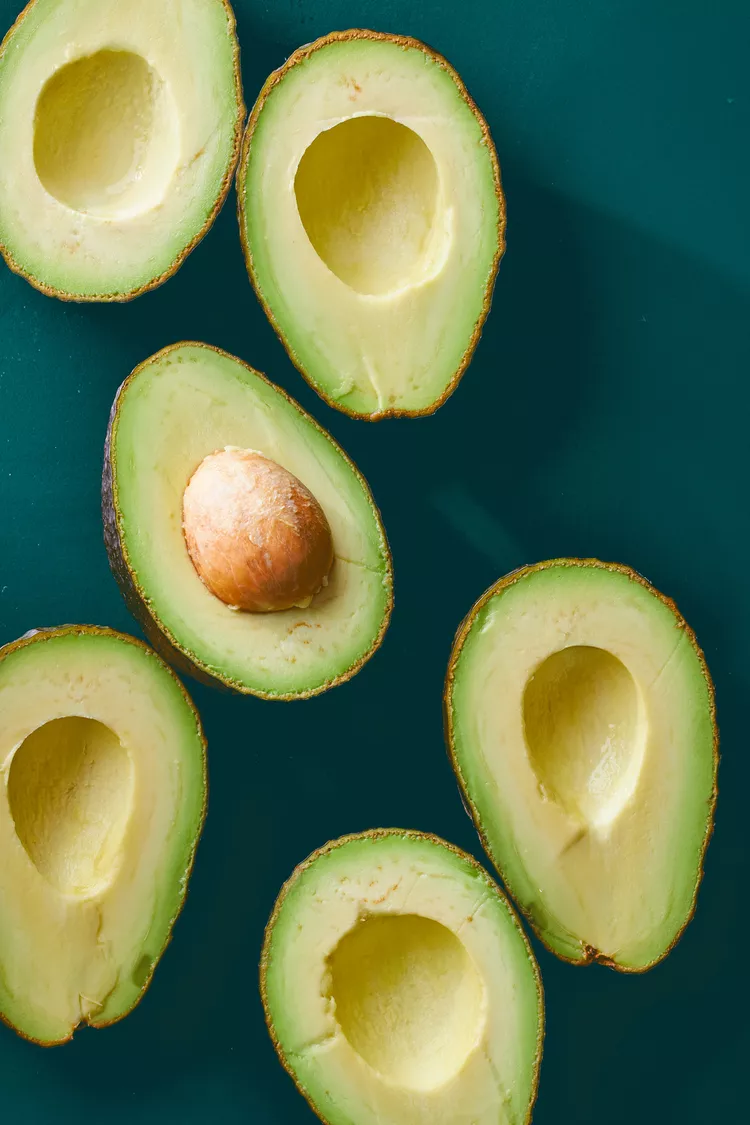
The Best Way to Choose a Ripe Avocado, According to Our Food Editors
Avocados are endlessly adaptable. But before you can put them to work in recipes, learn how to pick a ripe avocado. We put several methods for choosing a ripe avocado to the test, and this is the best one.
Gluten-Free Giant Ginger Cookies
We've used a 1/4 cup of cookie dough for each of these giant, molasses-infused cookies. If you prefer smaller cookies, there's instructions for mini gluten-free ginger cookies, too.
16 Vegetarian High-Protein Recipes the Entire Family Will Enjoy
These vegetarian high-protein recipes (each with 15 or more grams of protein) prove that meatless eating is tasty and nutritious.
Tuna or Salmon Salad
Dill is a natural choice to season seafood dishes. For variety, use another herb such as basil, oregano, or thyme for this main dish salad.
Raspberry-Peach Clafouti
While this raspberry clafoutis recipe might look like a cake or another classic dessert recipe, we like to serve it for brunch, too! Top each serving of Raspberry-Peach Clafouti with a dusting of powdered sugar or a scoop of vanilla Greek yogurt.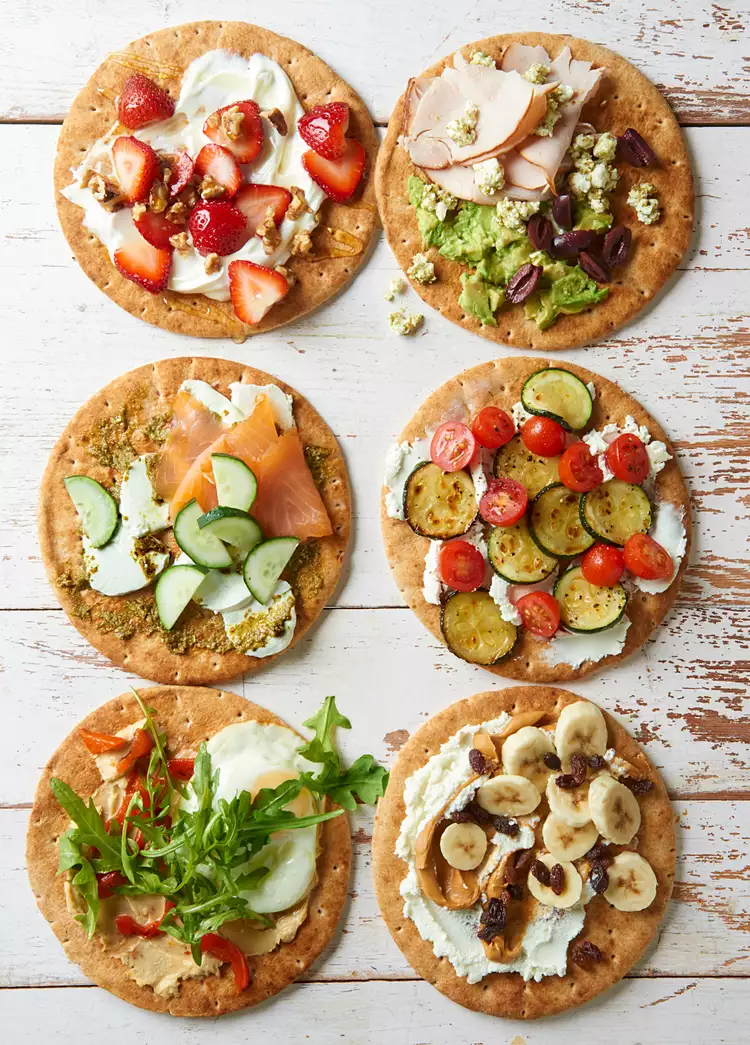
6 Easy Pita Wrap Recipes for Whatever Flavor You're Craving
Try one of these pita wrap recipes when you need a quick and simple meal. Ideas include both sweet and savory ideas.
Cucumber and Apricot Sandwiches
Cool as a you-know-what, this crunchy, fruit-studded cream-cheese sandwich is refreshing during summer. Try it with a cup of gazpacho.
Open-Faced Cuban Sandwich
Crunch from the toasted bread, gooey from the cheese, and tangy from the mustard and pickles, it's all the classic Cuban sandwich flavors you love.